
AI agents that handle
repeat work.
We build agents that sort requests, prepare replies, update your tools, and ask a person to review anything uncertain.
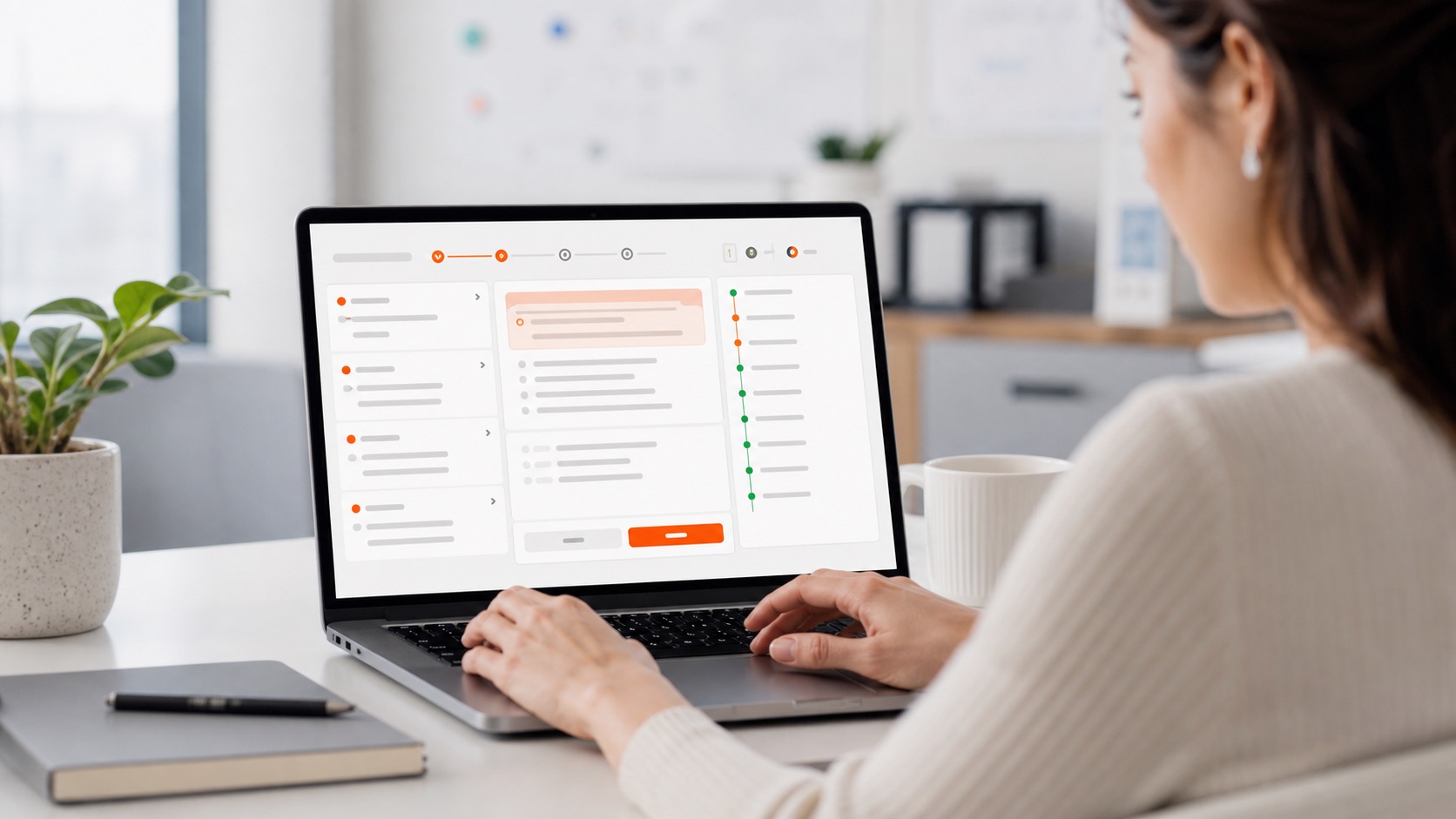
2-4 weeks
Supervised launch
From workflow selection to the first agent running on real work.
95%
Accuracy target
The agent stays supervised until it clears your quality bar.
Review built in
Human control
Low-confidence decisions route to a person instead of guessing.
Your team is still doing the same work by hand.
We start with the work your team already does, then choose the smallest useful system to build.
Reading repeat messages
Leads, tickets, and requests arrive with the same patterns every day.
Response time depends on whoever checks the queue first.
Making repeatable decisions
The team keeps qualifying, routing, prioritizing, and tagging manually.
Experienced people spend time on work that should be systemized.
Updating CRM manually
Notes, stages, and follow-ups get logged after the fact, if they get logged at all.
Managers lose visibility and pipelines become unreliable.
Following up too late
Good leads and customer requests wait because the next action is buried in an inbox.
Revenue leaks through slow response and inconsistent execution.
An agent your team can supervise.
No long theory. Before implementation, we make the inputs, owners, and outputs clear.
Step 01
Pick one repeat workflow
We choose the task that happens often and has clear rules.
Step 02
Define when the agent can act
Anything uncertain goes to human review before it touches the customer or CRM.
Step 03
Launch with logs and checks
Your team can see what the agent did and adjust it later.
Where AI agents help first.
Examples of work we can scope clearly and measure.
Sales follow-up agent
Qualifies inbound leads, drafts replies, and logs the next step.
Revenue teams
Support triage agent
Classifies issues, drafts responses, and escalates low-confidence cases.
Customer teams
CRM enrichment agent
Cleans records, enriches accounts, and keeps pipeline fields current.
Sales ops
Internal ops assistant
Routes requests, summarizes context, and prepares the next action.
Operations
Reporting agent
Pulls updates, writes summaries, and sends weekly business notes.
Managers
WhatsApp or email agent
Handles repeat messages with review thresholds and audit logs.
High-volume inboxes
What changes after the system is live.
The point is not more AI activity. The point is faster work, fewer manual steps, and clearer ownership.
Before ClickMark
Work waits in inboxes.
Follow-up depends on memory.
CRM is always behind.
Managers cannot see what happened.
After ClickMark
Requests are classified instantly.
High-confidence actions run automatically.
Low-confidence cases go to review.
Every action is logged.
What you actually receive.
Artifacts your team can inspect, run, and keep after the engagement.
Artifact 01
Agent design and evaluation test suite
Artifact 02
Integration with your stack: CRM, email, Slack, WhatsApp
Artifact 03
Human-in-the-loop controls and override settings
Artifact 04
30-day supervised launch with weekly check-ins
How the engagement works.
Three steps from first call to a usable system.
01
We pick the right workflow
We map your operation and rank workflows by return and risk. The agent-ready one goes first.
02
We build and test it safely
The agent runs supervised until accuracy crosses 95%. Then the supervision comes off.
03
We hand it over fully
You get the code, a runbook, and a training session. Extend it, change it, run it indefinitely without us.
Common questions about AI Agents.
AI Agents
Pick the workflow. We will build the agent.
A 30-minute call is enough to identify the first agent-ready workflow.